Classical Ayurveda rarely offers a single herb in a single format. The same botanical may appear as a loose powder, a rolled tablet, or a modern capsule, and each form carries the herb into daily practice in a slightly different way. This guide explains how Churnam, Vati and capsules differ in tradition, taste and everyday convenience, so you can choose the format that best suits your routine.
The three formats in classical context
A Churnam is a finely sifted herbal powder, the oldest and most fundamental dosage form described in the classical texts. A Vati or Gulika is a tablet or pill, traditionally rolled from a herb paste bound with decoction, honey or Guggulu resin and then dried. The capsule is a contemporary convenience that encloses the same powdered herb inside a plant-based or gelatin shell. All three begin at the same point: correctly harvested, correctly dried, and correctly powdered plant material. What changes is how that powder is finished and presented.
Taste, tradition and the role of Anupana
The classical texts place unusual weight on Rasa, the taste of a substance, because taste is considered part of how the body reads a herb. Taking a Churnam means meeting that taste directly, usually with a suitable Anupana such as warm water, honey or ghee that guides the powder toward its traditional purpose. A Vati moderates the taste while keeping the classical processing intact within the tablet. A capsule sets taste aside entirely, which many people welcome for strongly bitter or pungent herbs, though it also quietly removes one element the tradition considered meaningful.
Which form suits which habit
- Traditionally valued for direct contact with taste and the freedom to adjust the Anupana each day: the Churnam.
- Traditionally valued for portability, even portions and a stable shelf life: the Vati or Gulika.
- Valued in modern routines for travel, a neutral taste and effortless daily use: the capsule.
- Powders give the widest scope to combine herbs at home; tablets and capsules give consistency and simplicity.
Ingredients and forms in practice
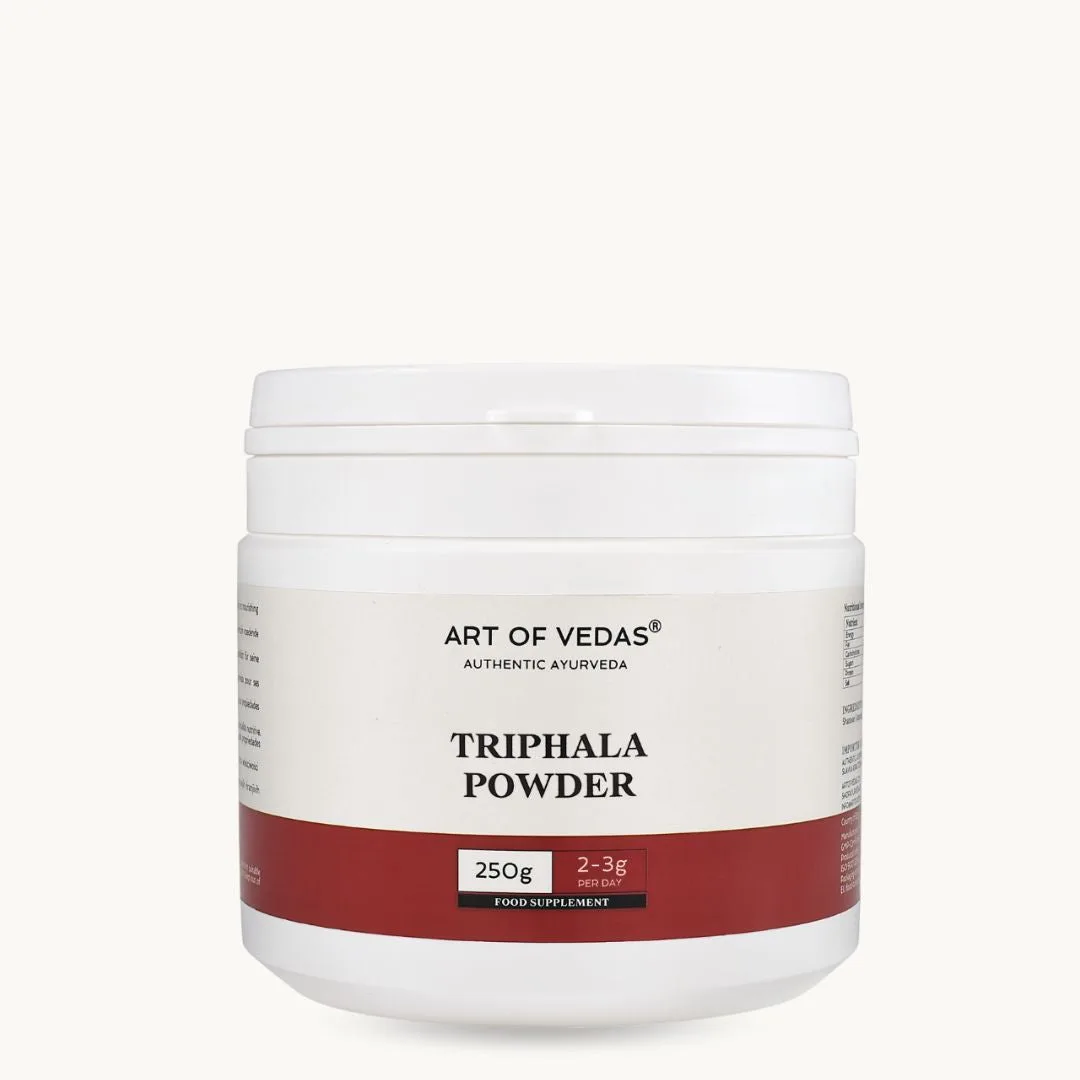
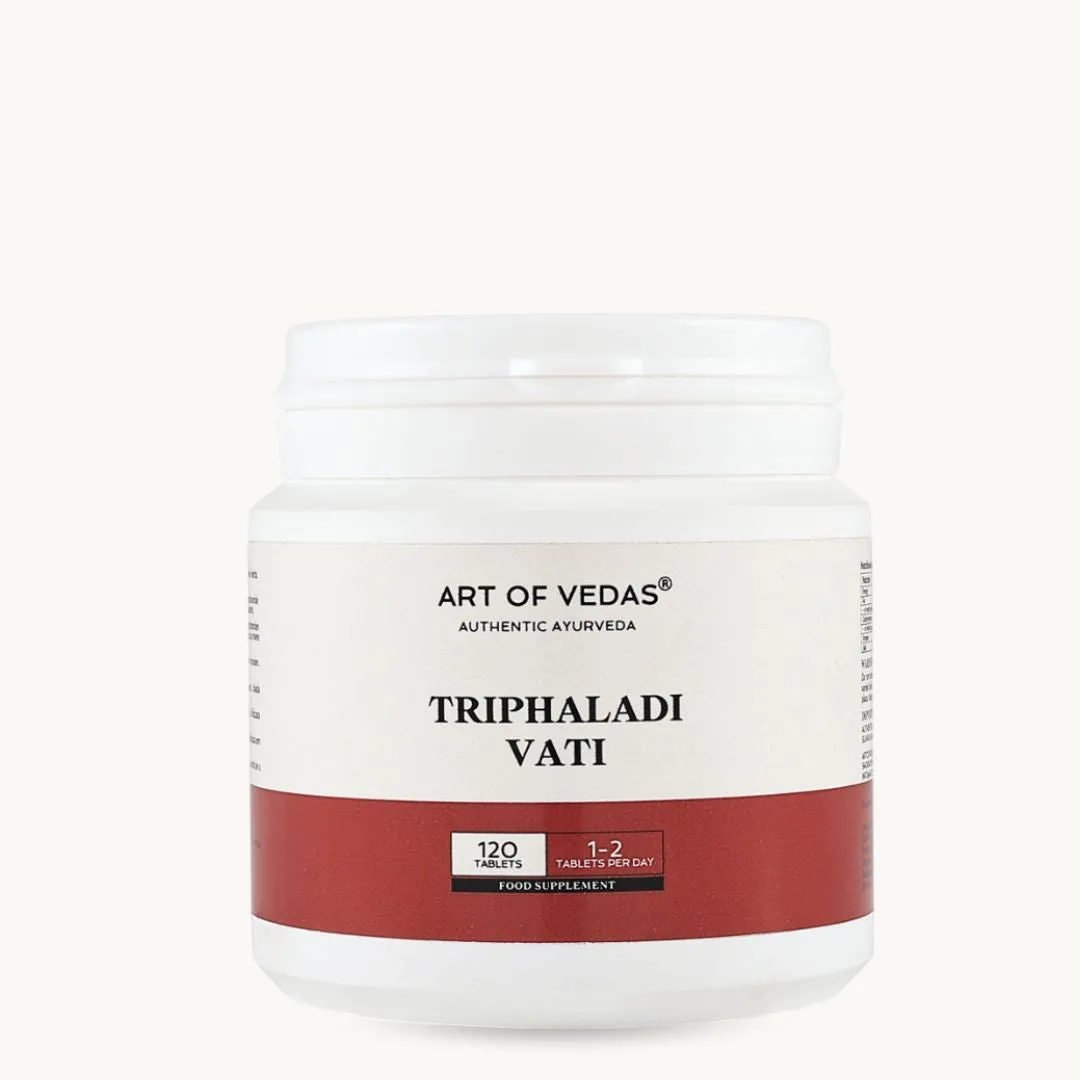
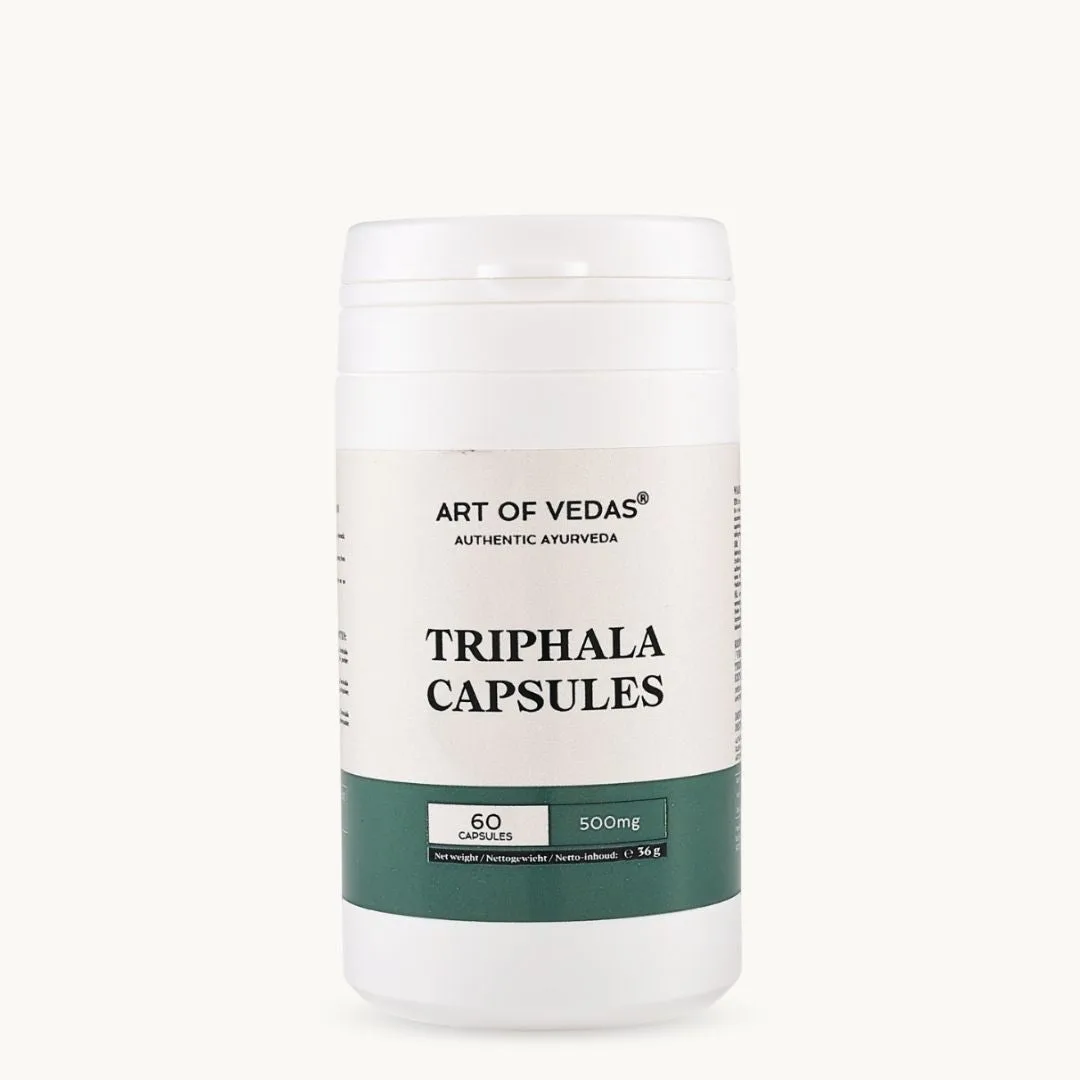
In practical terms the choice is less about better or worse and more about fit. A single-herb powder such as Triphala Churna lets you vary quantity and vehicle as the seasons change, and it keeps the full sensory character of the plant. A classical tablet such as a Triphaladi Vati compresses the same tradition into a measured, travel-ready form, with a binding medium that is itself part of the formulation rather than an inert filler. A capsule such as an Ashwagandha capsule offers the most convenient path for a herb whose taste is not to everyone's liking, delivering a consistent portion with no preparation at all. Many people keep more than one format: a powder for the unhurried morning ritual at home, and capsules for days spent travelling.
For the wider background on each format, see the Churnam powder formulation guide, the Gulika and Vati tablets guide, and the Ashwagandha form comparison. You can explore the formats across the range, from Triphala powder and the Triphaladi Vati to Ashwagandha capsules.
Frequently Asked Questions
Is a Churnam more traditional than a capsule?
Yes. The Churnam is the classical powder form described in texts such as the Charaka Samhita and Ashtanga Hridayam, long predating the capsule, which is a modern convenience built around the same powdered herb.
Why do some formulas come as a Vati rather than a powder?
Certain classical formulas were traditionally rolled into a Vati or Gulika so they could be stored, carried and portioned accurately. The binding medium, such as a decoction or Guggulu resin, was chosen as part of the formulation itself.
Do capsules lose anything compared with powders?
A capsule sets aside the direct experience of Rasa, the taste that classical Ayurveda values, and the flexibility to adjust the Anupana. In return it offers a neutral, consistent and convenient daily portion.
Can I use more than one format?
Many people do. A powder can suit an unhurried home ritual while capsules travel easily. The formats are complementary rather than mutually exclusive, so you can match the form to the moment.
How should I decide which to choose?
Consider taste tolerance, how settled or mobile your days are, and whether you prefer to prepare herbs yourself or keep things simple. Where a formula is offered in a specific classical form, that traditional choice is usually the most fitting starting point.
This product is a food supplement and not intended to diagnose, treat, cure or prevent any disease.